Jordan Country: A Journey Through Time, Culture, And Natural Beauty
Jordan Country: A Journey Through Time, Culture, And Natural Beauty - One of the most significant historical periods in Jordan is the Nabatean era, during which the city of Petra was established. This UNESCO World Heritage Site is often referred to as the "Rose City" due to the pink-hued sandstone used in its construction. Petra's intricate carvings and grand facades are a testament to the advanced engineering and artistic skills of the Nabatean people. Travelers are advised to stay informed about current events and follow the guidelines issued by their respective governments. Engaging with locals and learning about their customs can enhance your experience and foster mutual respect.
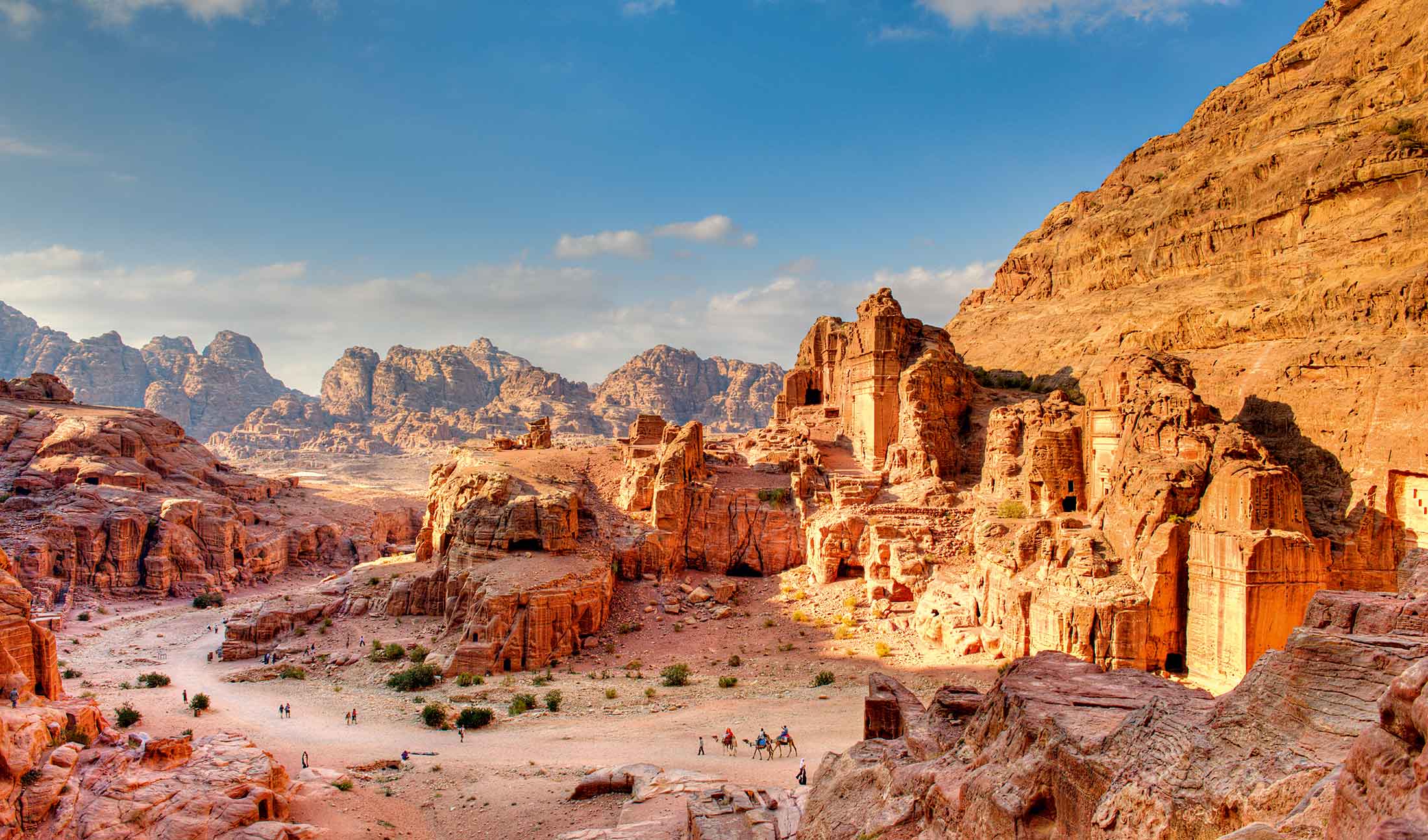
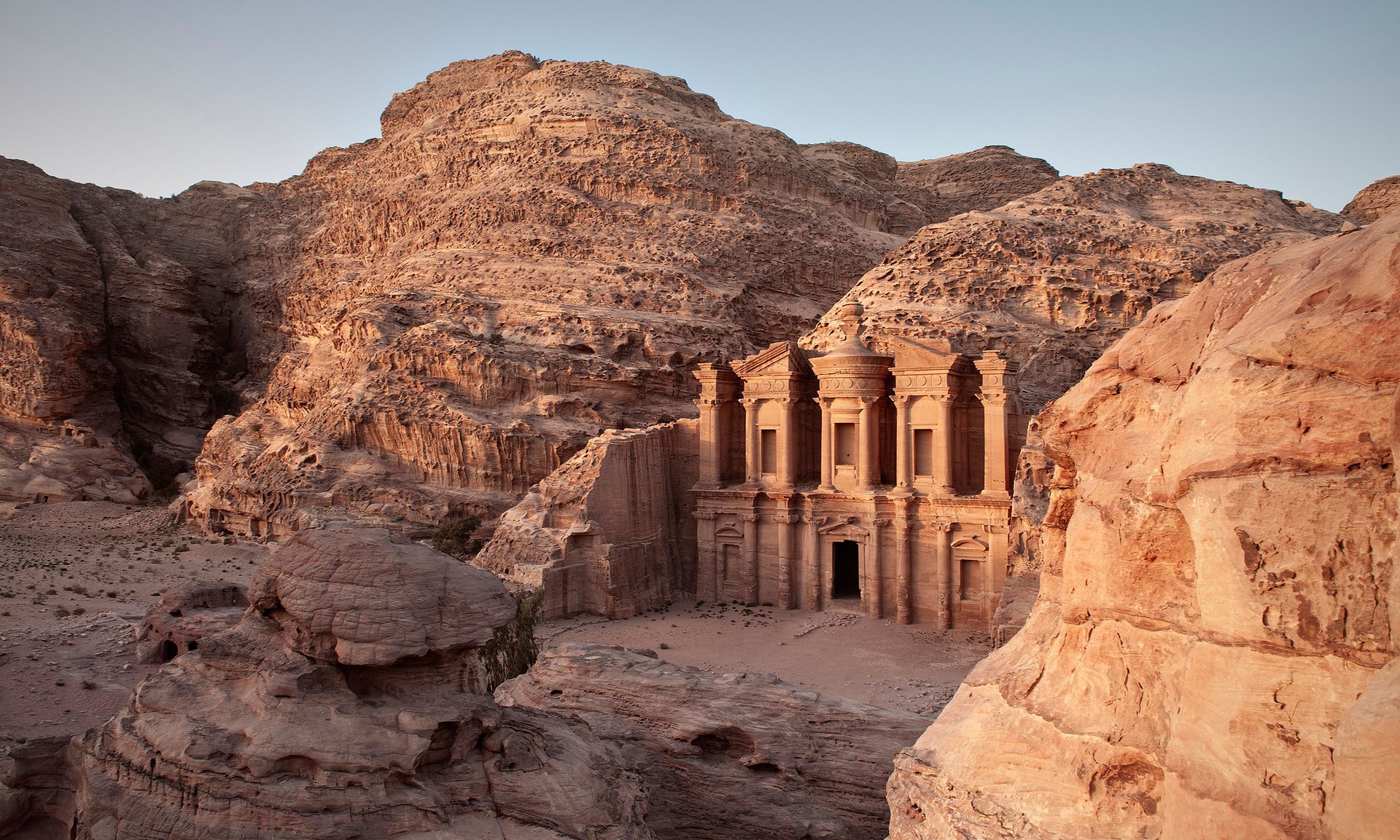
One of the most significant historical periods in Jordan is the Nabatean era, during which the city of Petra was established. This UNESCO World Heritage Site is often referred to as the "Rose City" due to the pink-hued sandstone used in its construction. Petra's intricate carvings and grand facades are a testament to the advanced engineering and artistic skills of the Nabatean people.
Amman, the capital of Jordan country, is a city that seamlessly blends the old with the new. From ancient ruins to modern shopping malls, Amman offers a diverse range of attractions for visitors. The city's Citadel Hill is home to the Temple of Hercules, the Umayyad Palace, and the Jordan Archaeological Museum, all of which provide insight into the city's rich history.
As we delve into this fascinating country, we'll explore its rich history, diverse culture, stunning natural landscapes, and the warmth of its people. Join us as we uncover the treasures of Jordan country and discover why it's a must-visit destination for travelers around the world.
We invite you to share your thoughts and experiences in the comments below. Have you visited Jordan? What was your favorite part? And don't forget to explore more articles on our website for travel inspiration and tips!
Jordan country is a paradise for food lovers, offering a wide array of traditional dishes that reflect its rich cultural heritage. Jordanian cuisine is known for its bold flavors, fresh ingredients, and hearty portions. Mansaf, the national dish of Jordan, is a must-try. It consists of lamb cooked in a yogurt sauce and served over rice or bulgur.
Wadi Rum, often called the "Valley of the Moon," is a breathtaking desert landscape in Jordan country. This UNESCO World Heritage Site is renowned for its towering sandstone and granite mountains, deep canyons, and endless stretches of red sand. Wadi Rum has served as a backdrop for several Hollywood films, including "Lawrence of Arabia" and "The Martian."
Jordan country is steeped in history, with archaeological sites that date back thousands of years. This region has been home to some of the world's earliest civilizations, including the Nabateans, Romans, Byzantines, and Islamic empires. Each civilization left its mark on the land, creating a unique blend of architectural styles, art, and culture.
Other popular dishes include falafel, hummus, tabbouleh, and maqluba, a rice-based dish with layers of vegetables and meat. Jordanian coffee, spiced with cardamom, is a staple beverage that accompanies many meals.
For those looking to experience contemporary Jordan, Amman's bustling markets, cafes, and restaurants are a must-visit. The city's vibrant arts scene and cultural festivals make it a hub of creativity and innovation.
Jordan country is not only a land of ancient ruins but also a vibrant hub of cultural traditions. The Jordanian people are known for their hospitality, warmth, and rich cultural practices that have been passed down through generations. From traditional music and dance to colorful festivals and crafts, Jordan offers a glimpse into the soul of its people.
Planning a trip to Jordan country? Here are some essential tips to ensure a smooth and enjoyable journey:
Traditional attire in Jordan reflects the country's Bedouin heritage. Men often wear the "dishdashah," a long robe, paired with a headscarf known as the "kaffiyeh." Women traditionally wear colorful dresses adorned with intricate embroidery, a style that varies by region.